Understanding Certifications in Mattresses: What CertiPUR-US, GOTS, and Oeko-Tex Mean for Your Sleep
A clear, non-commercial guide to common mattress certifications and what they guarantee. Learn how certifications like CertiPUR-US, GOTS, and Oeko-Tex impact safety, materials, and longevity when choosing a mattress.
Why Certifications Matter in Mattress Selection
When shopping for a mattress, countless terms—coils, foam density, organic fabrics, and flame barriers—appear on labels and marketing pages. Certifications serve as independent signals that a product meets recognized standards for safety, materials, and manufacturing practices. They are not a guarantee of perceived plushness or lasting comfort by themselves, but they are a dependable tool for evaluating whether a sleep surface aligns with health, hygiene, and environmental priorities.
The modern sleep landscape blends traditional craftsmanship with advanced materials. From innerspring and hybrid constructions to organic and latex-based surfaces, certifications help you navigate a spectrum of options with greater confidence. In this article, we unpack three widely encountered standards—CertiPUR-US, GOTS, and Oeko-Tex—and explain what each one covers, how to read the labels, and how these marks intersect with durability, performance, and sleep hygiene.
CertiPUR-US: Foam Safety, Emissions, and Performance
CertiPUR-US is a certification program focused on flexible polyurethane foams used in mattresses and furniture. It originated to address concerns about potentially volatile organic compounds, ozone depleting substances, formaldehyde, and flame retardants in foam products. The program does not certify the entire mattress composition; instead, it verifies the foam components meet specific criteria for emissions, content, and durability.
What CertiPUR-US checks:
- Low emissions: foams should release limited volatile organic compounds (VOCs).
- Content standards: restricted use of certain controversial substances in foam formulations.
- Performance criteria: foams must meet dimensional stability, durability, and cleanliness thresholds during testing.
- Label transparency: ingredient disclosure within the scope of foam components used in the mattress.
Practical interpretation for shoppers: a CertiPUR-US-certified foam indicates a commitment to minimizing certain chemicals and emissions from the foam layer. It does not, by itself, assure the overall safety of the entire mattress—the cover materials, fire barriers, or adhesives also contribute to the final product’s environmental and health profile.
For innerspring, hybrid, or all-foam mattresses, CertiPUR-US is commonly encountered in the polyurethane foam components. If you are sensitive to odors or seeking to limit chemical exposure, CertiPUR-US-certified foam can be a useful indicator, especially when paired with additional certifications covering textiles and outer fabrics.
When evaluating a CertiPUR-US claim, consider:
- Are the foam components clearly labeled as CertiPUR-US certified, and is the certification current?
- Are other materials in the mattress covered by certifications or independent testing?
- What are the specific VOC emission levels, if available, and how do they compare to industry norms?
A balanced view: CertiPUR-US is a widely recognized baseline for foam safety and emissions, but it should be read in conjunction with other labels that address the textiles, edge support, and overall durability of the sleep surface.
GOTS: Organic Textiles and the Human-Ecosystem Connection
GOTS, the Global Organic Textile Standard, is a leading standard for organic textiles with a strong emphasis on ecological and social criteria across the supply chain. While it began as a standard for clothing, its adoption in bedding and mattress fabrics—such as pillow covers, sheets, and mattress fabrics—reflects growing consumer demand for textiles that are produced with sustainable farming, reduced chemical inputs, and fair labor practices.
What GOTS certifies:
- Organic fiber content: fibers certified to meet organic agricultural standards.
- Environmental criteria: restrictions on toxic dyes, processing chemicals, and water usage.
- Sociolabor standards: ethical considerations and fair labor practices across the supply chain.
- Chain of custody: traceability from raw fiber to finished textile product.
In practice, GOTS certification is most relevant to textiles used in bedding components—sheets, pillow covers, and any fabric-facing layers of a mattress. For truly organic mattress cores (such as organic wool, organic cotton, and certain natural latex composites), brands may pursue GOTS as part of the textile suite rather than the core foam or coil systems themselves.
Why it matters for sleep quality: organic textiles are generally associated with lower residues of agricultural chemicals, reduced dye-related toxins, and a lower likelihood of skin irritation for sensitive sleepers. GOTS certification can be a meaningful indicator for households prioritizing organic farming practices and chemical safety in fabrics close to the skin.
Verification tips:
- Look for the GOTS logo on textile components—often near sheets, pillowcases, or fabric covers.
- Check the scope: does the certification apply to the textile portion of the product, the entire mattress cover, or specifically to the fabric used in components?
- Ask retailers about the exact fiber composition and whether the organic status extends to the entire fabric surface or just layers.
Oeko-Tex: Fabric Safety and Consumer Confidence
Oeko-Tex is a globally recognized standard focused on fabric safety. It provides a range of product labels—from standard 100 to the more stringent Made in Green—signaling different layers of testing for harmful substances in textiles. Unlike CertiPUR-US and GOTS, which target specific material streams or processing stages, Oeko-Tex labels are a broad safety benchmark for textiles used in clothing and home goods, including mattresses.
Core aspects of Oeko-Tex:
- Harmful substances testing: limits on a wide array of chemicals, including pesticides, heavy metals, and formaldehyde.
- Product labeling: transparency about the tested products and associated safety claims.
- Higher tiers (Made in Green) include environmental and social responsibility criteria along with product safety.
What this means for mattresses: Oeko-Tex certification on textile components (covers, fabrics, and top layers) provides reassurance about skin safety and lower exposure to unwanted chemicals. For allergy-prone sleepers or those with sensitive skin, Oeko-Tex certification adds a layer of consumer protection even when other certifications focus more narrowly on foam or organic content.
Practical guidance:
- Read the exact label and any accompanying documentation to identify which parts of the mattress are certified (textile covers, sheets, pillow fabric, etc.).
- Check the test standard level; Made in Green is among the higher tiers that also consider social and environmental criteria.
- Combine Oeko-Tex with other certifications for a more comprehensive safety profile, particularly if you are choosing a mattress with complex layers (foam, springs, latex, and natural fibers).
How to Verify Certification Claims and Read Labels
Certification labels are only as trustworthy as the testing and verification behind them. Here are practical steps to confirm a claim and understand its real-world impact:
- Traceability: Look for documentation that explains which components are certified and the scope of certification across the product’s layers.
- Certification scope: Some labels cover only textiles or foams, while others claim broader coverage for the finished product.
- Third-party verification: Certifications should be administered by independent organizations. When possible, consult the certifier’s database or verification portal to confirm current standing.
- Certification renewal: Certifications are not permanent. Verify the certification period and whether a re-certification is required after product revisions.
- Supplementary tests: Inquire about additional tests that may be relevant to your needs, such as flame retardant compliance, hygienic performance, or long-term durability tests.
A careful shopper will read labels with a critical eye, seeking overlap between multiple certifications that cover different dimensions of safety, hygiene, and sustainability. No single mark guarantees a perfect match for every sleeper, but a well-documented certification profile can significantly reduce guesswork.
How Certifications Map Across Mattress Types
Different mattress constructions—innerspring, hybrid, all-foam, and natural-latex—engage with certifications in distinct ways. Here is a concise guide to how CertiPUR-US, GOTS, and Oeko-Tex typically relate to these categories:
- Innerspring and hybrid mattresses: Foam components may bear CertiPUR-US labels when foams are used. Textile covers or fabric layers might carry Oeko-Tex or GOTS labels if organic textiles or safety-focused fabrics are used.
- All-foam mattresses: CertiPUR-US is often prominent because foam is a primary component. Oeko-Tex and GOTS may appear on textiles and surface fabrics that touch the sleeper.
- Natural latex mattresses: If organic latex is used, certification systems may complement CertiPUR-US (for any non-latex foams) with GOTS for the organic textiles that surround the latex layers, and Oeko-Tex for fabric safety of outer covers.
In practice, a well-documented mattress specification will show a matrix of certifications across its layers and components. When evaluating a product, cross-reference the certifications with the materials you care about most—emissions from foams, organic textile content, and skin-safe fabric standards—then verify the scope and validity with the certifying bodies.
Case Studies: How Certifications Influence Real-World Choices
Consider a family shopping for a mid-range mattress with a focus on indoor air quality and skin sensitivity. They may prioritize CertiPUR-US-certified foams to minimize emissions, and they might seek textiles carrying Oeko-Tex or GOTS labels to reduce chemical exposure and support organic farming practices. A brand that combines CertiPUR-US foam with GOTS-certified textiles and Oeko-Tex-certified fabrics for the cover may present a balanced profile that aligns with both health-conscious and sustainability-minded goals.
For adults who value transparency, brands that publish the test standards, certificates, and even third-party inspection reports alongside product pages offer a higher level of trust. In some cases, the certification portfolio can be a deciding factor when choosing between multiple similar mattresses.
Practical Tips for Shoppers: Making Sense of Certifications
To translate certifications into a concrete decision, keep these guidelines in mind:
- Prioritize the certification that most directly affects your primary concerns, such as foam emissions (CertiPUR-US) or skin-safe textiles (Oeko-Tex).
- Check the scope of the label to avoid assumptions about the entire mattress. Ask for a material-by-material breakdown when needed.
- Look for independent verification and documentation beyond the label, such as certificates, batch numbers, or manufacturer disclosures.
- Balance certifications with other quality cues: durability, edge support, hygiene practices, and how a mattress handles heat and motion transfer.
In sum, certifications offer a reliable framework for assessing health and environmental considerations in mattresses. Used wisely, they empower buyers to align purchases with personal values while maintaining a clear-eyed view of product performance.
Brand Ethos and Consumer Trust in Certification-Driven Shopping
In today’s market, transparency is a competitive differentiator. Brands that openly publish certification details and provide accessible explanations for what each label means tend to earn greater consumer trust. The intersection of technical standards and consumer-friendly communication is where trust is built. This is especially important for a site like springmattress.net, which aims to be an information hub that clarifies complex topics for non-specialists without veering into sales rhetoric.
As sleep health becomes a shared cultural priority, readers benefit from content that treats certifications as tools—not as marketing slogans. Clear explanations, practical verification steps, and real-world context help readers navigate choices with confidence.
Conclusion: Informed Decisions, Better Sleep
Certifications like CertiPUR-US, GOTS, and Oeko-Tex are not universal verdicts on quality, but they are valuable indicators of a mattress’s safety, sustainability, and textile integrity. Understanding what each certification covers—and how to verify those claims—enables shoppers to move beyond marketing hyperbole toward evidence-based decisions. The goal is to sleep better, knowing that your sleep surface supports your health, comfort, and long-term well-being.
For readers of springmattress.net, that means cultivating a resource that makes science accessible, demystifies industry jargon, and offers practical guidance rooted in credible standards. In the end, a well-informed choice on certifications is a step toward a restorative night’s sleep and a healthier relationship with the products that cradle us through the night.
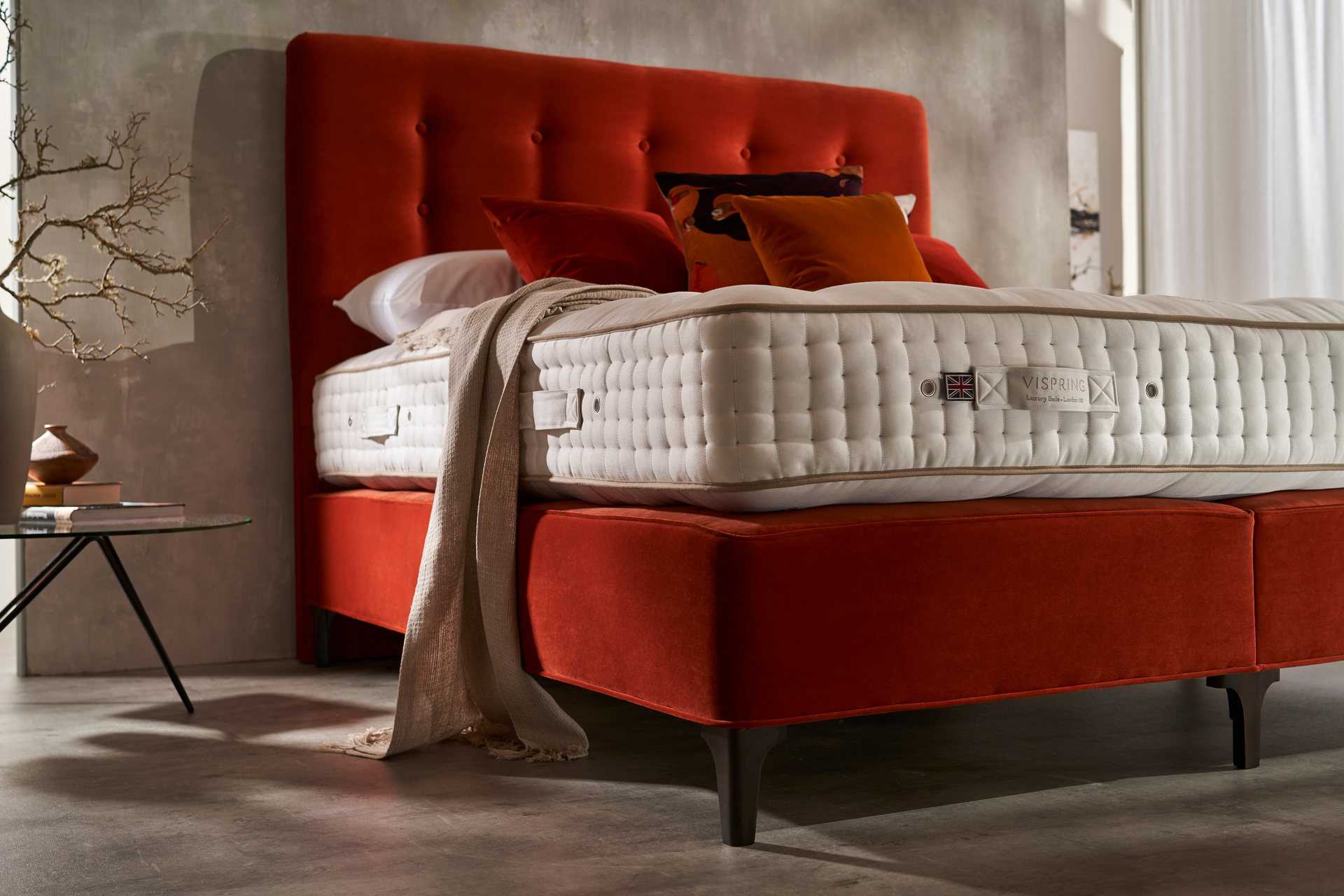
The following product is listed within the site’s catalog and showcases how a high-end, certifiably crafted mattress can align with a commitment to materials and build quality. It exemplifies the type of product a consumer might consider alongside certification claims to evaluate value, performance, and longevity.
-
Vispring Signatory Superb — A luxury mattress featuring a two-layer spring architecture with hand-selected natural fillings, premium wool, and horsehair blends. While its certification labels may vary by component, this model illustrates how traditional craftsmanship can be paired with modern standards to deliver a refined sleep surface.
Link: Vispring Signatory Superb