Bedding • Practical guide
Wool Comforters: How to Choose the Right Weight and Fill
A wool comforter can feel warm without feeling stuffy, but “wool” alone does not tell you how it will sleep. Fill quantity, quilting, cover fabric, room conditions and care instructions all shape the experience. Here’s how to compare them—and choose a comforter that suits your nights, not just a label.
Published November 7, 2026
A comforter is a small climate system. It holds a layer of warm air near the body, while its shell and filling influence how heat and moisture move through the bed. Wool has a particular reputation in that system: it can absorb moisture vapor and help moderate warmth. But no fiber can guarantee a cool or comfortable night on its own. A thick wool comforter in a warm room may still feel too hot; a lighter one in a drafty bedroom may not provide enough insulation.
That is why choosing by material name alone can lead you astray. Two wool comforters may differ substantially in weight, loft, construction and feel. Manufacturers may also describe warmth using terms such as “lightweight,” “all-season” or “winter,” without using a shared industry scale. The useful question is not simply whether wool is a good filling. It is how much filling is present, how it is held in place, and whether the complete bedding setup fits your habits and environment.
Start with the room, not the season name
Seasonal labels can be a helpful first clue, but they are not a reliable measurement. A “winter” comforter may be suitable in a cold, poorly insulated bedroom and excessive in a heated apartment. A person who sleeps warm may prefer a lighter option year-round, while someone who feels cold easily may want more insulation even in a mild climate.
Before comparing products, consider the conditions in which you sleep:
- Bedroom temperature: Think about the room at bedtime and toward morning, not only the thermostat setting during the day.
- Heating and cooling: A room with steady heating may call for a different weight than one that cools sharply overnight.
- Your usual sleep temperature: Notice whether you often wake hot, cold or comfortable under your current bedding.
- Other layers: Flannel sheets, blankets, pajamas and mattress toppers all contribute to the bed’s total warmth.
- Bed-sharing: Two sleepers may have different comfort needs. Separate blankets can sometimes be more practical than trying to find one compromise weight.
It can help to keep a brief note for several nights: room conditions, bedding layers and whether you woke warm or chilly. The point is not to produce a scientific study in your bedroom. It is to replace a vague impression—“I’m always too hot”—with a useful pattern. If the problem occurs only when you add a heavy blanket, changing the comforter may be unnecessary. If you feel overheated even with minimal layers, a lighter filling and more breathable bedding may be worth considering.
What “weight” means on a comforter label
Weight can refer to more than one thing. A listing might state the weight of the filling, the finished comforter or the package. Those figures are not interchangeable. A heavier finished item could have a substantial shell, a larger size or a denser construction; it does not automatically contain more insulating wool. When possible, look for the fill weight by bed size and ask the seller to clarify what the number describes.
Fill weight is useful for comparisons, but it is not a complete warmth rating. The same quantity of wool can behave differently depending on how it is distributed, how much loft it retains and how tightly the comforter is quilted. Shell fabric also matters. A tightly woven cover may feel less airy than a lighter, more open one, while the comforter’s dimensions can affect how well it covers the sides of the bed.
Some makers provide a fill weight per square meter; others give only a general warmth category. If you are comparing two products with different sizes, a per-area figure can make the comparison fairer, provided both manufacturers define the measurement consistently. If the information is absent, do not infer a precise warmth ranking from the comforter’s total weight. Ask for details or use the product’s stated warmth guidance as a broad, not exact, indicator.
A practical guide to lighter and heavier fills
A lighter wool comforter generally contains less filling or has a less substantial overall construction. It may suit warm bedrooms, people who tend to sleep hot, or households that use a separate blanket when temperatures drop. It can also be a flexible choice for much of the year, particularly when the bed is layered with breathable sheets and the room temperature stays fairly stable.
A heavier fill may provide more insulation and a fuller, weightier drape. That can be welcome in a cold room or for a sleeper who prefers a more enveloping bed. But “heavier” does not mean “better,” and extra warmth is not always the only thing a sleeper notices. The added weight and bulk may be inconvenient when making the bed, storing it or washing it. People who dislike pressure from bedding may also prefer a lighter construction.
| What to compare | Why it matters | Useful question |
|---|---|---|
| Fill weight | Offers a clue to the amount of insulation, especially when compared within the same brand and size. | Is this the wool fill weight or the total finished weight? |
| Warmth description | Helps narrow choices, but terms are not standardized across sellers. | What room conditions is this weight intended for? |
| Quilting pattern | Controls how filling is distributed and can influence loft and feel. | Are the stitched sections sized to keep the fill evenly spread? |
| Shell fabric | Contributes to breathability, texture, durability and the sound or feel of the comforter. | What is the cover made from, and is it removable? |
| Care instructions | Determines how realistic it is to clean and maintain the bedding at home. | Is professional cleaning recommended, or is gentle home care allowed? |
How construction changes the feel
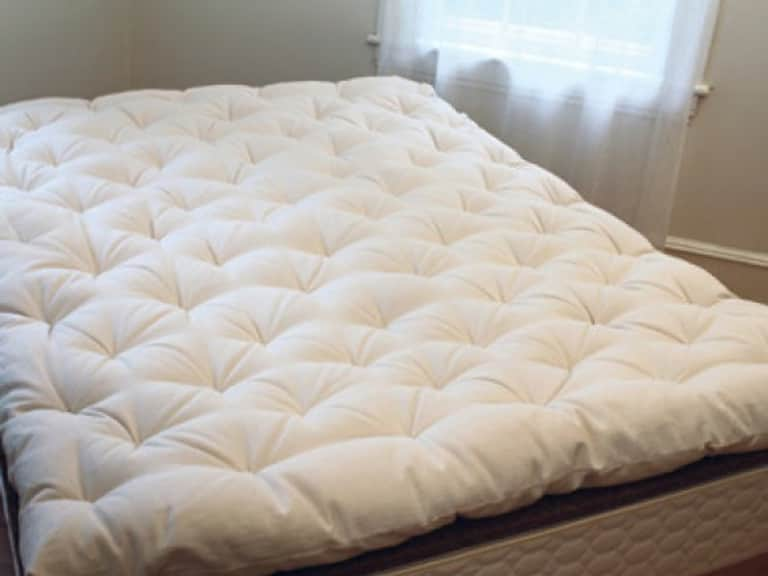
A wool comforter’s construction is more than a finishing detail. Wool fill can shift if it is not secured, so quilting or another form of internal stitching helps maintain an even distribution. Smaller stitched sections may limit movement, while larger compartments can allow a loftier feel—but performance depends on the particular design. Inspect the pattern and look for clear information about how the filling is held in place.
The outer cover has its own job. Cotton is common and can provide a familiar, fabric-like surface; other fibers may have different textures and care needs. A cover that feels crisp in a showroom may soften with use, while a fabric that is very tightly woven may feel less airy to some sleepers. If sensory comfort matters to you, check whether the maker offers fabric details or a way to assess the hand-feel before purchase.
A removable cover can make day-to-day freshness easier, because the cover may be washable even when the comforter itself is not. That does not mean every removable cover is machine washable, however. Check its label separately. If the comforter has loops or ties for a duvet cover, use them as intended: securing the insert can reduce bunching and keep the bedding more orderly through the night.
Why wool’s moisture reputation needs context
Wool fibers can take up moisture vapor within their structure, which is one reason wool bedding is often described as moisture-managing. That characteristic may help a comforter feel less clammy in some conditions. It is not the same as removing humidity from a room, preventing sweating or keeping every sleeper cool. Temperature, ventilation, clothing, bedding layers and individual physiology still matter.
The practical takeaway is modest but useful: wool can be one component in a bedding system that feels more balanced, but it is not a substitute for a suitable weight or a comfortable room. If you routinely wake damp or overheated, consider the whole bed. Heavy synthetic blankets, thick pajamas or a warm room can overwhelm the benefit of a breathable filling. Likewise, a wool comforter cannot correct a drafty room simply by being made of wool; sufficient insulation and appropriate layers are still necessary.
Choose a weight for your habits
For a warm sleeper, begin with a lighter weight and avoid assuming that an “all-season” label will mean light enough. Check fill information, look for a cover suited to your preferences and consider whether a washable duvet cover will simplify care. You can add a separate blanket during a cold spell more easily than you can make an overly warm comforter less insulating.
For a cold sleeper, a heavier option may make sense, especially if the bedroom loses warmth overnight. Still, examine the total sleep setup. A medium-weight comforter with a warmer sheet or an additional blanket may be more adaptable than one very heavy layer. If you share a bed, remember that the person beside you may experience the same bedding differently; flexible layers can prevent one sleeper’s comfort from becoming another’s problem.
For a home with pronounced seasonal changes, consider two distinct weights or a layering approach rather than demanding that one comforter do everything. A light comforter can serve through warmer months, with a heavier blanket added when needed. Storage, closet space and laundry capacity are part of the decision. A theoretically ideal bedding setup is less useful if its care routine does not fit your household.
Care: read the label before the first wash
Wool often requires more careful handling than everyday washable bedding. Construction, cover fabric, stitching and any treatments can all affect the manufacturer’s care recommendations. Some comforters may be suitable for limited gentle care; others may require professional cleaning or spot treatment only. There is no single washing rule that safely applies to every wool comforter.
Before buying, confirm:
- Whether the comforter itself can be washed at home, and under what conditions.
- Whether the cover is removable and whether it has separate washing instructions.
- Whether drying requires a particular method or professional service.
- How the maker recommends handling spills and routine freshening.
- Whether the care guidance affects a warranty or return policy.
Avoid relying on generic advice such as “wool should never be washed” or “a delicate cycle is always safe.” Follow the specific care label. When the instructions are unclear, contact the manufacturer before treating the comforter. Frequent or aggressive washing can damage fibers, distort stitching or cause the fill to clump, so using a washable duvet cover and addressing small spills promptly may help reduce the need for a full clean.
Questions worth asking before purchase
A product page should make it possible to understand what you are buying. If it does not, a short set of questions can reveal whether the comforter is a good match:
- What is the exact wool fill weight for the size I need?
- Is the stated weight for the fill, the complete comforter or the shipping package?
- How does the maker describe its warmth, and what room conditions are assumed?
- What material is used for the shell, and can it be removed?
- How is the filling secured, and is the comforter designed for use inside a duvet cover?
- What are the exact cleaning and drying instructions?
- Does the comforter come with a trial or return period, and are bedding-specific conditions attached?
If a seller cannot provide the basic details, treat broad claims about “perfect warmth” or “all-season comfort” cautiously. A clear specification is more useful than a string of adjectives. Certifications, where applicable, should also be checked by scope: a claim may apply to a particular fiber, processing step or finished product rather than every component. Read what a standard actually covers instead of assuming that a label answers every question about comfort or care.
A simple decision path
Start with your most common problem. If you wake hot, prioritize a lighter fill and review the rest of your bedding before adding more layers. If you wake cold, consider a heavier fill, but also check for drafts and whether your comforter is large enough to cover the bed properly. If your temperature changes widely from night to night, favor adaptable layers or separate seasonal weights. If easy cleaning is essential, make the care instructions a deciding factor rather than an afterthought.
Then compare products within the same size and, where possible, the same maker. Look at fill weight, construction and shell fabric together. A warmth label can help you shortlist; it should not be the final verdict. When descriptions remain vague, seek clarification before purchase or choose a product with a return policy that gives you a realistic chance to assess it at home.
The bottom line
The right wool comforter is not necessarily the heaviest, the most expensive or the one with the most confident seasonal label. It is the one whose fill and construction suit your bedroom, personal temperature and care routine. Compare fill weights carefully, examine the quilting and cover, and treat claims about moisture and warmth as useful context—not promises that can override the conditions of your sleep.
A little attention before buying can prevent years of nightly compromise. Begin with the room and your own habits. Then choose the wool comforter that fits the way you actually sleep.